Reading List
Finding The Game: What Video Games Can Learn From Improv Comedy from Game Informer RSS feed.
Finding The Game: What Video Games Can Learn From Improv Comedy
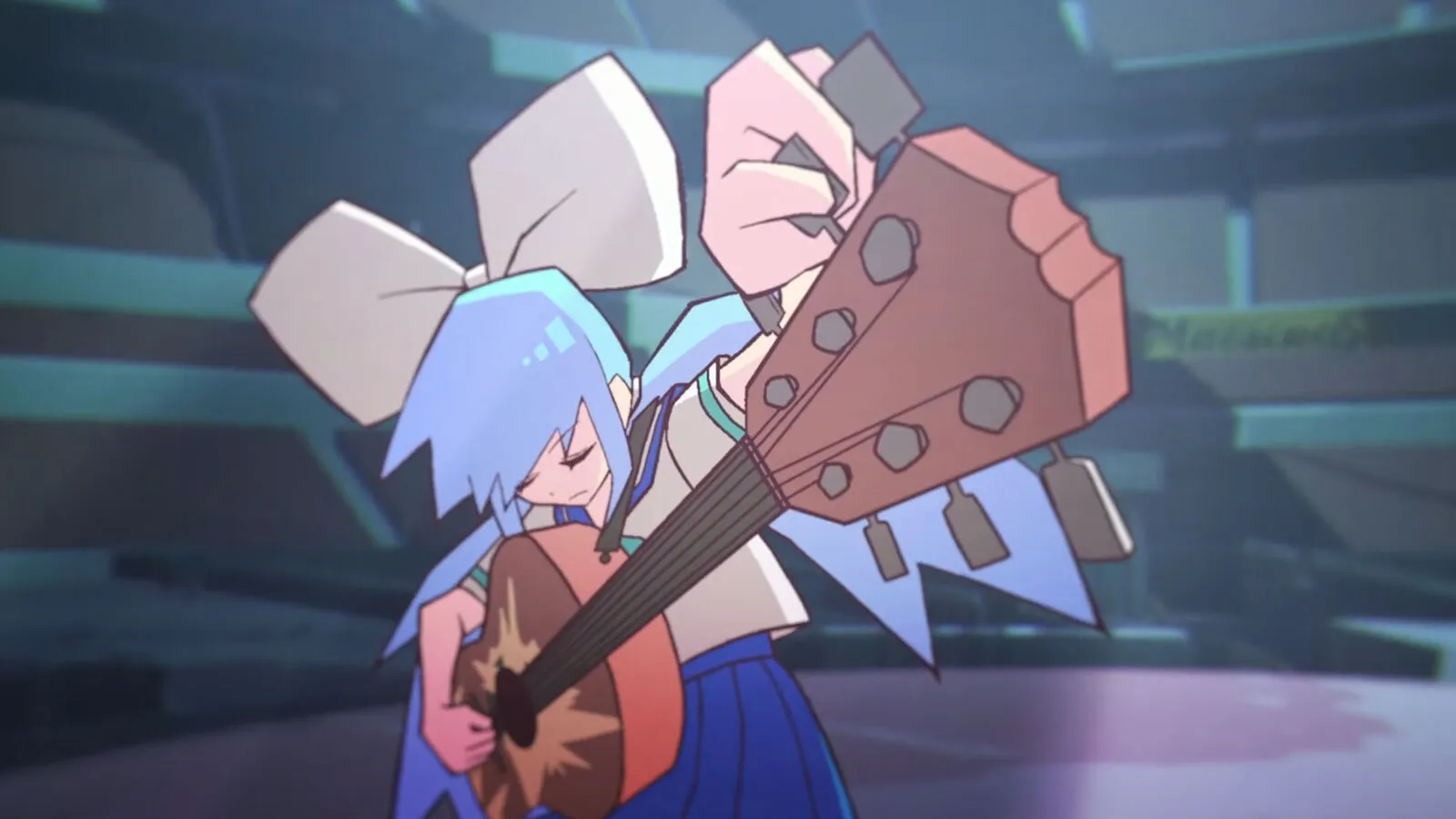
A few weeks ago, I booted up the narrative-driven rhythm game Unbeatable for the first time and was slowly disappointed. You play an entire slowly paced chapter before you even do your first rhythm gameplay, and the story is vague and disjointed up until that point. For some reason, my disappointment felt familiar, but it wasn't just an emotion tied to video games. Eventually, I realized that I felt the same way I feel when I'm watching a bad scene of improvised comedy.
 UNBEATABLE
I've been taking classes and performing at The Black Box Improv Theater for the past year or so, and while I've had plenty of funny scenes, I've been in my fair share of train wrecks as well. When you're in those early stages of an unsuccessful scene, you desperately try to grasp something funny in hopes of making that psychic link with your teammates that happens when you have a good, coordinated scene. But when you're unsuccessful, there's usually one specific reason: you didn't "find the game." Video games with slow, boring intros have this same problem.
Most people are familiar with "yes, and," the first rule of improv, but that's just a guiding principle of action, not an instant recipe for comedy. Heightening, the idea of making things "bigger," is usually what makes a scene funny. The quintessential example of this is the chocolate conveyor belt scene from I Love Lucy – as more chocolate comes out, Lucy has to take increasingly drastic measures to manage it. A more recent example is the substitute teacher sketch from Key & Peele (though any of their sketches would work here). As the teacher continues to mispronounce simple names, he gets more and more enraged. If you can think of your favorite scene from a sitcom or comedy sketch, there's a good chance you'd be able to break it down into an idea that's heightened over time.
The pattern of heightening a behavior or quirk is known as "the game." In the aforementioned substitute teacher sketch, the game is that Key's character continues to mispronounce names. It's a load bearing component of the scene, providing structure and a pattern to follow or subvert. The difference between the above examples and improv, however, is that the game in improv has to be "found," agreed upon by the performers on stage, and then executed. For example, if I start a scene by obsessing over my big dumb hat and someone else joins the scene bragging about an even bigger, dumber hat, we've implicitly agreed upon and "found" the game.
Of course, it's all more nuanced and complex in practice. Not every game is automatically funny, and not every concept you introduce is worth being heightened, so it can take a few lines to feel out which direction the scene should go. Crucially, however, taking too long to find or agree on a game stalls the scene and makes it feel stale. It's the backbone of that style of comedy, and without finding a game, it's very difficult to find success.
What does this have to do with video games? It's simple: get to the point. Most games are not concerned with comedy, but "the game" in this context is probably best redefined as "the gameplay loop." With few exceptions, a game that has you actively engaging with its core mechanics as quickly as possible is almost always a better game. The long-form structure of video games allows you to go back in and fill in narrative or complex mechanical gaps over time, and the sooner you "get" what a game is going for, the sooner you can decide whether you like it or not. Like with an improv scene, the longer you delay that moment, the less likely you are to keep a potential fan long enough to actually enjoy the art.
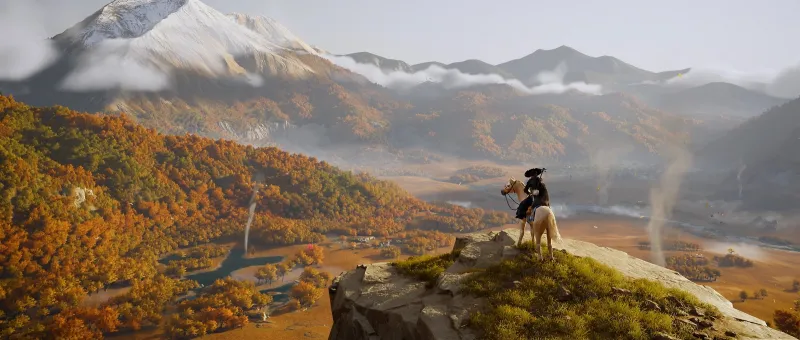
A lot of Sony's first-party titles are excellent at this. Ghost of Yōtei is an especially good example, skipping right to the promise of the premise and putting you on a horse in an uninhibited open field within the opening twenty minutes. Insomniac's trio of Spider-Man games is another perfect example; all three games have players swinging across the city towards a major villain within just five minutes of starting a new save file. You don't just understand the game's premise and core mechanics; you get to experience a microcosm of the game itself, and get a few dozen hours to see that concept executed on a grander scale.
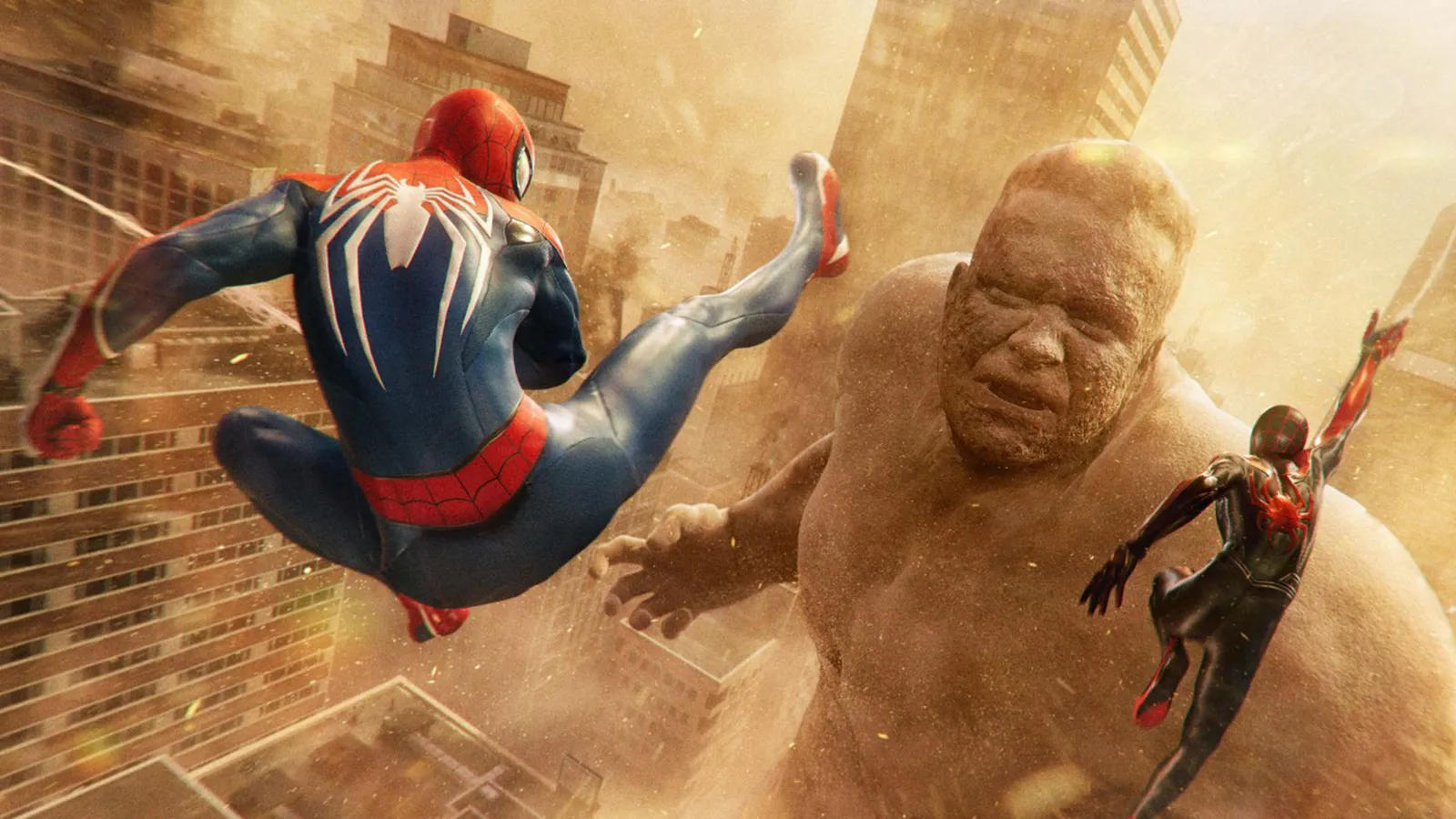 Marvel's Spider-Man 2
Like improv, however, this is easier said than done, partly because narrative single-player games have to balance "the game" of the mechanics and the intro to the story. Both require a bit of build-up, either as tutorials or exposition, and getting either right is certainly a challenge. Both of the aforementioned good examples, however, merge these challenges into one introductory mission to great success. The alternative is something like Clair Obscur: Expedition 33, where proper combat takes a little bit to show up, but the world and character building are in-depth and interesting right away. Hades and Hades 2 take the opposite approach, instead throwing players into a run to learn the ropes of gameplay before slowing down and really establishing the plot.
Which brings us back to Unbeatable, a game that struggles on both fronts. Rhythm gameplay only appears at the very end of the first chapter, and the narrative content that leads up to it is slow and meandering, simultaneously holding key plot elements too close to its chest (who are these characters? what is this world?) and spending too long on the details that seem to matter less. I wouldn't mind the story if I was having fun playing, and I wouldn't mind the lack of playing if I enjoyed the story, but waiting for both at the same time just doesn't work. This doesn't necessarily make Unbeatable a terrible game (I haven't played enough of it to make that judgment call), but I'm certainly not a fan of the intro, and with so much else to play, I chose to shelve it in favor of something else.
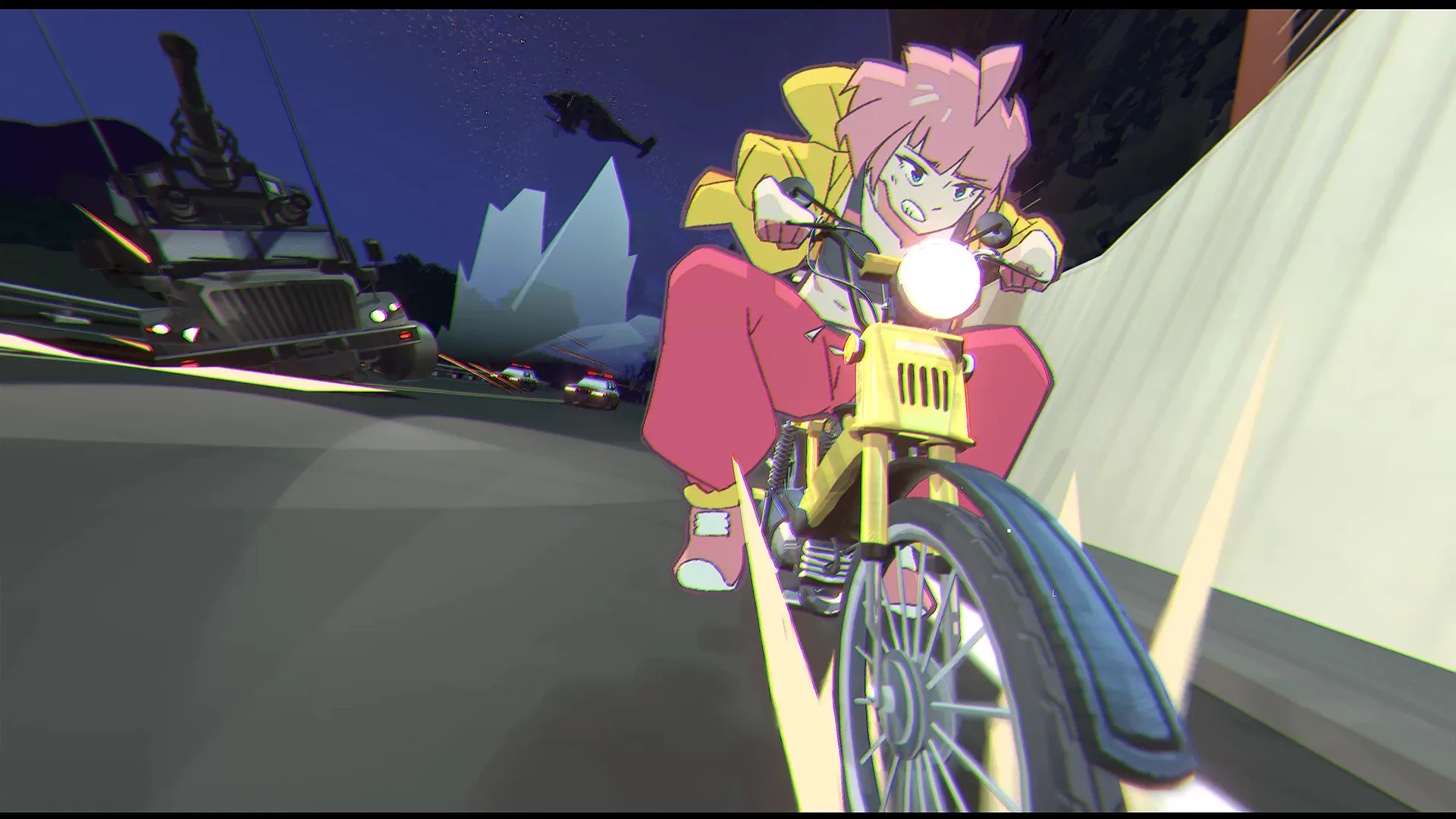 UNBEATABLE
The huge number of games on the market is the reason this matters so much. Between game subscriptions like Game Pass, digital sales that list massive games for extremely low prices, countless free-to-play multiplayer games, and the rising number of games released each week, there's always something else you could be playing. Starting a game 20 years ago usually meant you'd already bought it and you were committing to it, but that commitment is much harder to come by nowadays. If a game's intro is slow or uninteresting, there's more incentive to swap to something else than ever before, so developers are tasked with making the game as appealing as possible from the get-go.
Of course, improv and video games are not a one-to-one comparison. If you wait too long to find the game in an improv scene, it just won't work, but games can always bounce back over time. Pokémon games (and many other JRPGs, but especially Pokémon) have had some of the slowest, least interesting intros for decades, but each one still sells millions and millions of copies. It's not a rigid requirement, but a strong preference. As someone who's been on and off the stage for awkward improv scenes that can't find their footing, I really appreciate the ones that find the game, get to the point, and keep the audience laughing. And as someone who critiques games for a living, I appreciate a video game with the same goals in mind.