Reading List
The most recent articles from a list of feeds I subscribe to.
How AI can help you make a computer game without knowing anything about coding
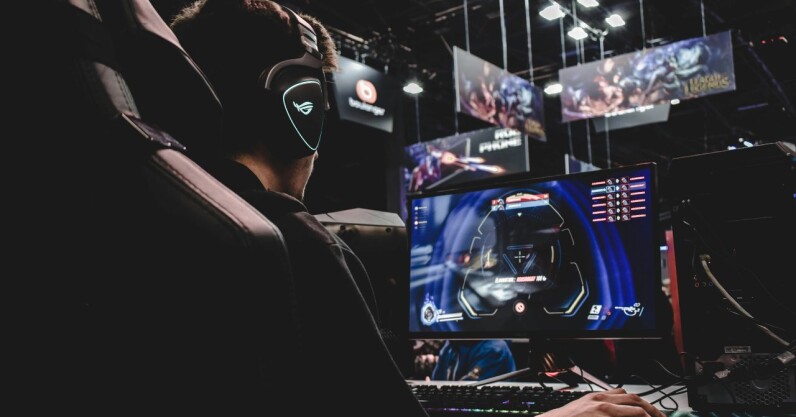
Just as calculators took over the tedious number-crunching in maths a few decades ago, artificial intelligence (AI) is transforming coding. Take Kyo, an eight-year-old boy in Singapore who developed a simple platform game in just two hours, attracting over 500,000 players. Using nothing but simple instructions in English, Kyo brought his vision to life leveraging the coding app Cursor and also Claude, a general purpose AI. Although his dad is a coder, Kyo didn’t get any help from him to design the game and has no formal coding education himself. He went on to build another game, an animation app,…
This story continues at The Next Web
Robot developers keep making it seem like housebots are imminent when they’re decades away
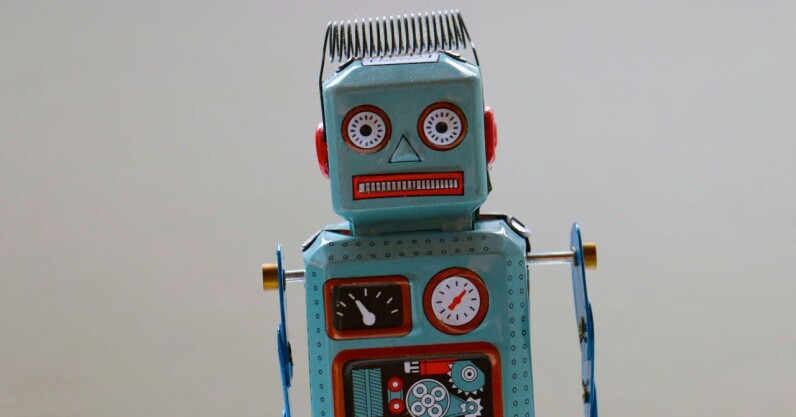
The walking, talking, dancing Optimus robots at the recent Tesla demonstration generated huge excitement. But this turned to disappointment as it became apparent that much of what was happening was actually being controlled remotely by humans. As much as this might still be a fascinating glimpse of the future, it’s not the first time that robots have turned out to be a little too good to be true. Take Sophia, for instance, the robot created by Texas-based Hanson Robotics back in 2016. She was presented by the company as essentially an intelligent being, prompting numerous tech specialists to call this…
This story continues at The Next Web
AI probably isn’t the big smartphone selling point that Apple and other tech giants think it is
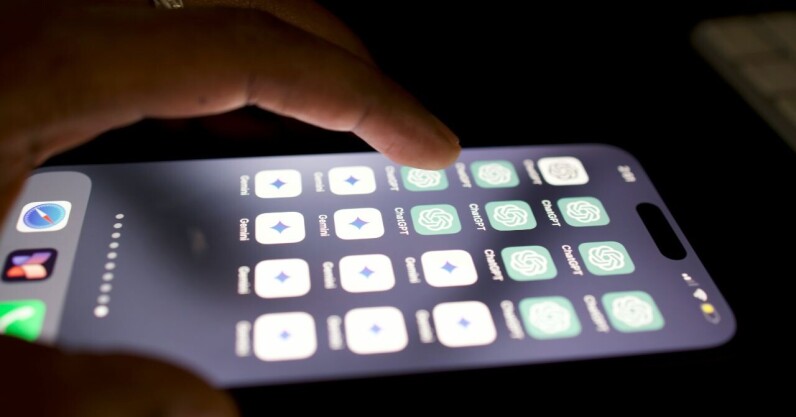
As is their tradition at this time of year, Apple announced a new line of iPhones last week. The promised centrepiece that would make us want to buy these new devices was AI – or Apple Intelligence, as they branded it. Yet the reaction from the collective world of consumer technology has been muted. The lack of enthusiasm from consumers was so evident it immediately wiped over a hundred billion dollars off Apple’s share price. Even the Wired Gadget Lab podcast, enthusiasts of all new things tech, found nothing in the new capabilities that would make them want to upgrade…
This story continues at The Next Web
How your online world could change if big tech companies like Google are forced to break up
The US Department of Justice may be on the verge of seeking a break-up of Google in a bid to make it less dominant. If the government goes ahead and is successful in the courts, it could mean the company being split into separate entities – a search engine, an advertising company, a video website, a mapping app – which would not be allowed to share data with each other. While this is still a distant prospect, it is being considered in the wake of a series of rulings in the US and the EU which suggest that regulators are…
This story continues at The Next Web
Or just read more coverage about: Google
Space rover tests ‘natural intelligence’ based on insect brains
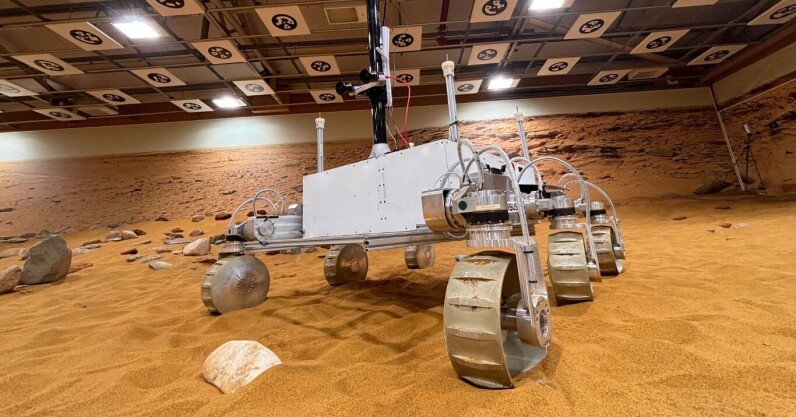
In a simulation of Mars, a space rover is testing a control system with an unusual inspiration: insect brains. The software was created by Opteran, a startup based in the UK. But the idea originated from research on bugs. Scientists at the University of Sheffield had been studying the brains of insects. They discovered remarkable neurological efficiency. A honeybee’s brain, for instance, only contains about 1 million neurons. A human brain, by contrast, has around 86 billion. But the bee mind’s tiny size belies its impressive power. It’s capable of complex navigation, obstacle avoidance, and communication. It also functions with formidable energy…
This story continues at The Next Web