Reading List
The most recent articles from a list of feeds I subscribe to.
Nvidia, Accel back Netherlands-based AI firm Nebius in $700M deal

Amsterdam-headquartered Nebius, which builds full-stack AI infrastructure for tech firms, has secured $700mn in a private equity deal led by Nvidia, Accel, and asset manager Orbis. The funding comes in the form of a private placement — when a company sells stocks directly to a private investor instead of on the public market. The deal will see Nebius issue 33.3 million Class A shares at $21 apiece. Nebius, which is the rebranded European arm of “Russia’s Google,” Yandex, is investing more than $1bn across Europe by mid-2025 as it seeks to cash in on booming demand for AI computing power.…
This story continues at The Next Web
Fuelled by €24M, UK startup gears up to put more thermal satellites in orbit

British startup SatVu has secured £20mn (€24mn) to fuel the development of its hyper-accurate thermal imaging satellites that act like a thermometer for the whole planet. The cash injection includes £10mn (€12mn) in equity from Spanish VC Adara Ventures and British tech-focused fund Molten Ventures. The remainder comes from an insurance payout, the startup said. The funding will propel the launch of two new satellites in its HotSat constellation, which are scheduled to liftoff next year. The probes — HotSat-2 and HotSat-3 — will replace HotSat-1, SatVu’s first satellite, launched in 2023. When HotSat-1 launched it was fitted with the…
This story continues at The Next Web
This startup’s microliner promises a cheaper route to electric flights
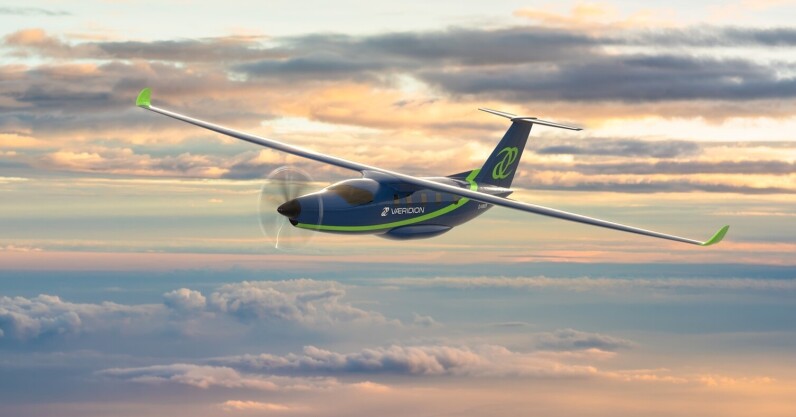
It’s been a tough year for air taxi startups. The UK’s Vertical Aerospace is running short of cash, while Germany’s Lillium faces bankruptcy. Targets for commercialisation keep getting extended. Investors are hesitant to commit. The reason for all the struggles is pretty simple. Building, certifying, and commercialising brand-new aircraft designs like electric vertical take-off and landing aircraft (eVTOLs) is complex, notoriously expensive, and depends on lengthy regulatory processes. That’s partly why German startup Vaeridion is pursuing a simpler, potentially cheaper, route to electric flight using an aircraft it calls the “microliner”. “The microliner looks like a regular plane and it…
This story continues at The Next Web
These will be the most in-demand skills for developers in 2025

The Dutch labour market is experiencing a persistent talent shortage, according to a new salary survey report. The research also flags that when it comes to hiring in 2025, artificial intelligence, automation, and machine learning are expected to be among the hottest functional areas companies are most likely to recruit talent for next year. In line with this, a recent study by Indeed found that over the past year, job postings mentioning generative artificial intelligence (Gen AI) or related phrases have increased dramatically across the US and Europe. In Germany, for example, there has been a 3.9x increase, France has…
This story continues at The Next Web
Cambridge spinout Molyon bets on lithium-sulfur in race for better batteries

Lithium-ion batteries have served us well, powering much of the modern world. However, today’s tech — everything from drones and EVs to the wretched Tesla cyber truck — demands denser batteries that charge faster and take you further. This push is driving scientists to conjure up new battery chemistries or refine old ones. Naturally, it is also spawning a new generation of startups looking to scale the next, best battery. One of those is Molyon. Molyon recently spun out from 15 years of research at the University of Cambridge to commercialise a lithium-sulfur battery that it claims delivers twice the…
This story continues at The Next Web