Reading List
The most recent articles from a list of feeds I subscribe to.
European startup’s space capsule ‘lost’ after reentry
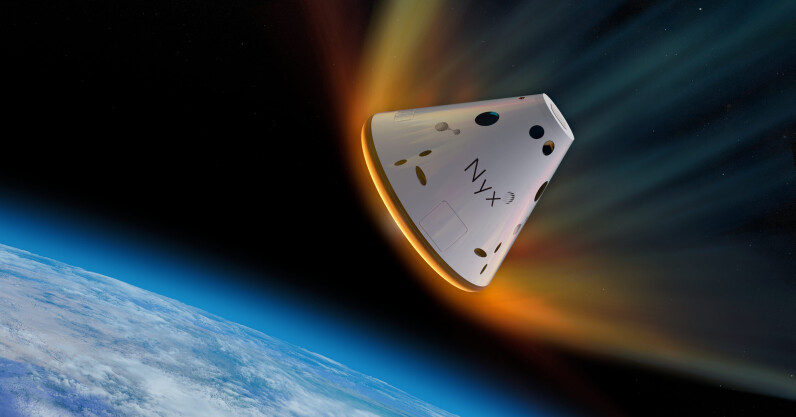
Communication with a privately funded European space capsule was lost Tuesday shortly after the spacecraft reentered Earth’s atmosphere. The capsule launched on a SpaceX rocket from Vandenberg Space Force Base in California on Monday. The Exploration Company, which built the spacecraft, described the mission as a “partial success” and a “partial failure.” “The capsule was launched successfully, powered the payloads nominally in orbit, stabilised itself after separation with the launcher, re-entered and re-established communication after blackout,” the Munich-based startup said in a LinkedIn post today. “But it encountered an issue afterwards, based on our current best knowledge, and we lost…
This story continues at The Next Web
Danish biotech Cellugy wants to replace microplastics in cosmetics
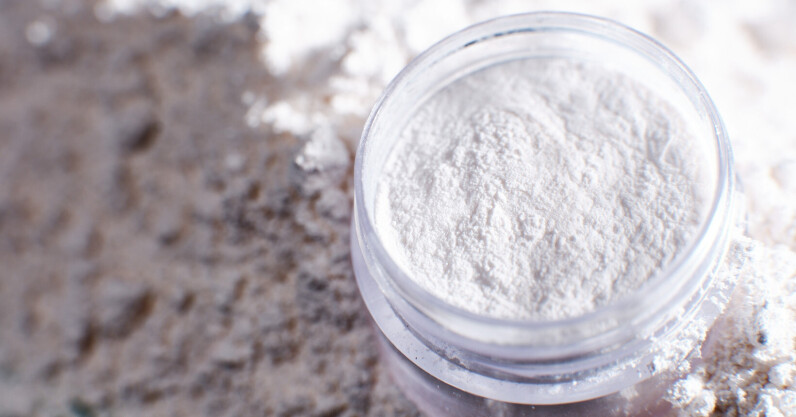
Danish biotech Cellugy has raised €8.1mn in EU funding to accelerate production of a biodegradable material designed to replace microplastics in cosmetics. The grant, awarded under the EU’s LIFE Programme for environmental projects, will support the commercialisation of EcoFLEXY, a cellulose-based material for use in personal care products such as creams, gels, and toothpaste. Cellugy claims EcoFLEXY is the first material of its kind to match the performance of fossil-based carbomers, which are famed for their ability to give cosmetics a smooth, consistent texture and a long shelf life. Currently, carbomers dominate the global cosmetics market despite links to microplastic…
This story continues at The Next Web
These sensors ‘listen with light’ to guard Europe from subsea sabotage
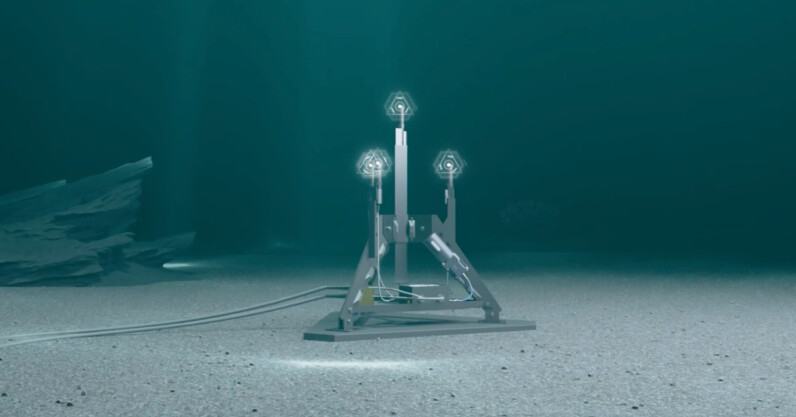
Dutch tech scaleup Optics11 has launched an underwater monitoring system that uses light waves to “listen” for the presence of foreign objects. Called OptiBarrier, the system can detect enemy submarines, drones, and surface vessels from up to 150km away — without revealing its own position. “We listen with light,” the company’s CEO, Paul Heiden, told TNW. “That means our technology is entirely undetectable and can’t be jammed.” The standard method for listening underwater is through electromagnetic fields. Devices emit electromagnetic pulses and detect the presence of an object, such as a ship or submarine, based on the waves that bounce…
This story continues at The Next Web
European night train startup promises green, luxury travel at airline prices
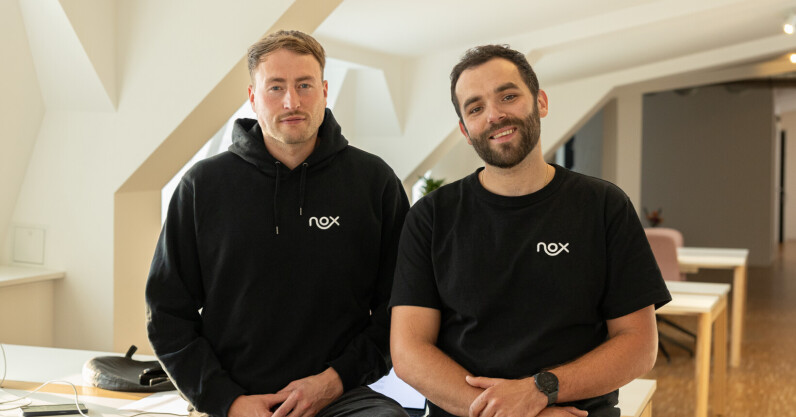
Berlin-based startup Nox Mobility emerged this month with ambitious plans for a night train service connecting more than a dozen European cities. The network will feature sleek, private cabins — all for the price of a short-haul plane ticket. While there are some night trains operating in Europe, cabins are typically very small and private booths are hard to find. Some, like the European Sleeper, which runs from Brussels to Prague, use repurposed trains, which some travellers report being noticeably dated. Nox’s co-founder Janek Smalla said he believes rail in general is “pretty much the worst-managed transport mode” in Europe,…
This story continues at The Next Web
‘Space umbrella’ returns first striking images of Earth’s forests
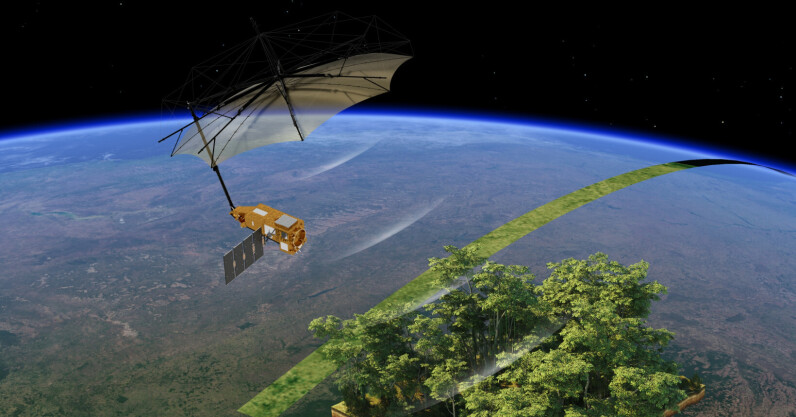
A giant umbrella-like satellite fitted with European tech has revealed its first images of Earth’s surface. The probe, called “Biomass,” was built by a host of aerospace giants and startups for the European Space Agency (ESA). It launched in April on a Vega-C rocket from Europe’s spaceport in Kourou, French Guiana. European Astrotech, a UK-based startup, was responsible for fuelling the satellite ahead of takeoff. Biomass’ mission is to capture the most detailed measurements of forest carbon ever recorded from space. To get the job done, it’s been equipped with the first-ever P-band radar to enter orbit. It aims to…
This story continues at The Next Web