Reading List
The most recent articles from a list of feeds I subscribe to.
A Lisbon lab is turning dead bacteria into dog treats. Next up: Human snacks
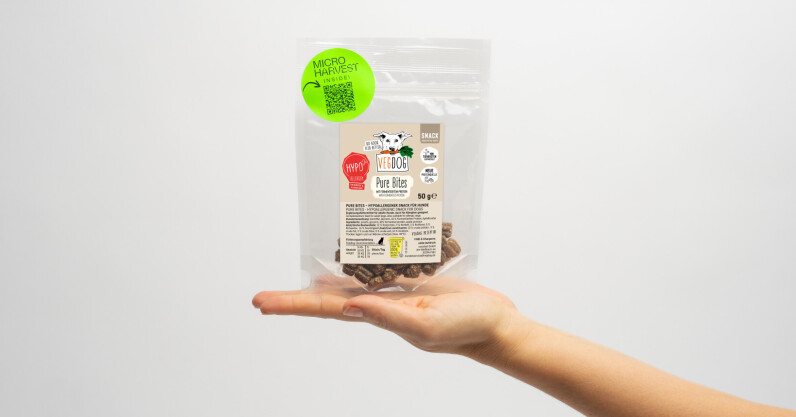
“Microbial protein,” says Katelijne Bekers, waving a vial of beige-coloured powder in front of me like it’s a magic potion. It doesn’t look like your typical lunch fare, but this unassuming dust could play a crucial role in the future of food. Bekers is the co-founder of MicroHarvest, a Hamburg and Lisbon-based startup that turns agricultural waste streams into protein powder using microbes — tiny organisms that exist all around us. The vegan ingredient is already making its way into dog treats. If all goes to plan, human snacks like protein bars, shakes, and ice cream won’t be far behind.…
This story continues at The Next Web
Opinion: Europe can regulate its way to a better fintech future

Crypto crashes, money laundering, and digital fraud — the EU’s financial watchdogs have had enough. Regulatory bodies need to keep up by rolling out tighter regulations aimed at strengthening consumer protections and stabilising the market. As EU lawmakers scramble to protect consumers, others worry they are smothering growth. Case in point: in 2024, the FCA fined HSBC £6.2mn for not properly treating customers in financial difficulty. The regulatory bodies are defending the public, but had restrictions been lighter, would HSBC have had more creative solutions for its customers, such as embedding personalised, data-first lending? Banks have been fearful of exploring…
This story continues at The Next Web
Or just read more coverage about: Fintech
How to pitch like a pro — lessons from a ‘Shark Tank’ insider

You’ve spent a lifetime building skills, learning lessons, nurturing relationships, and developing a perspective as prescient and powerful as your personal drive. You’ve poured it all into your business. Now, you have five minutes (or less) to communicate an irresistible vision for the world and convince a panel of respected — and sometimes disrespectful — judges that you can make the vision real and make some money. How do you do it? A pitch competition is a unique moment: I have pitched in, judged, and hosted pitch competitions from Miami to Mongolia. I’m an entrepreneur and investor, and I’ve spent…
This story continues at The Next Web
Stem cell startup proclaims ‘inflection point’ for medicine as mass production nears
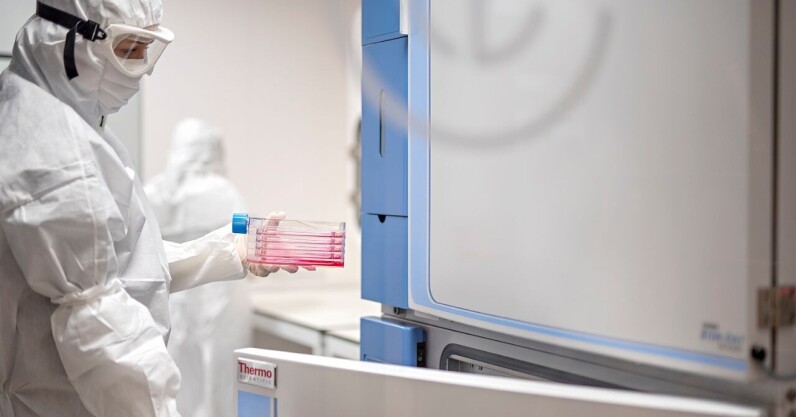
It’s harvest day at the Karolinska Institute in Stockholm. As sunshine bathes the leafy university campus, scientists inside the labs work under cool fluorescent light. Clad in green protective gear, they tend meticulously to test tubes within hermetically sealed cleanrooms. The containers hold the fruits of today’s labour: mesenchymal stem cells (MSCs). Each cell is barely a quarter the width of a human hair but wields remarkable power. MSCs reduce inflammation, repair damaged tissue, and modulate the immune system. They can treat chronic diseases and delay ageing. They may even prevent illness before it begins. But to become a mainstay…
This story continues at The Next Web
Why civilian-first innovation will drive better dual-use technologies

Imagine drones that map disaster zones today and scout military targets tomorrow. Or seismic activity sensors built for construction that go on to detect submarines underwater. These ideas represent the promise of dual-use technologies that serve both civilian and military purposes. For the first time, the European Commission is explicitly proposing to fund them through programmes such as Horizon Europe. But as we race to embrace dual-use technologies, we face a pivotal choice: continue the old model where military applications drive innovation that civilians later adopt, or turn this paradigm on its head? Technological innovation has long followed a well-trodden…
This story continues at The Next Web